


In the cosmetics industry, beauty trends evolve rapidly, often influenced by social networks and influencers. By 2023, the global cosmetics market will have reached nearly $500 billion, underlining the importance of adapting quickly to new consumer demands. For the supply chain managers of beauty and cosmetics companies, anticipating these fluctuations is becoming crucial.
Accurate anticipation of trends enables better planning of inventories and replenishment strategies, avoiding costly stock-outs or overstocking.
In this article, we’ll explore the impact of beauty trends on demand forecasts in cosmetics and the importance of using AI-based supply chain tools to optimize these forecasts.
The issue of beauty trends in cosmetics
Beauty trends, often shaped by influencers and social networks, can emerge and dissipate at lightning speed. A product promoted by a popular influencer can see its demand explode in a matter of days, while another can lose popularity just as quickly.
Cosmetics retailers must therefore remain vigilant and reactive to ensure that their stocks reflect current consumer preferences.
Understanding these trends and their impact on demand is crucial to avoiding stock-outs or surplus unsold products.
Analyzing Social Data to Predict Trends
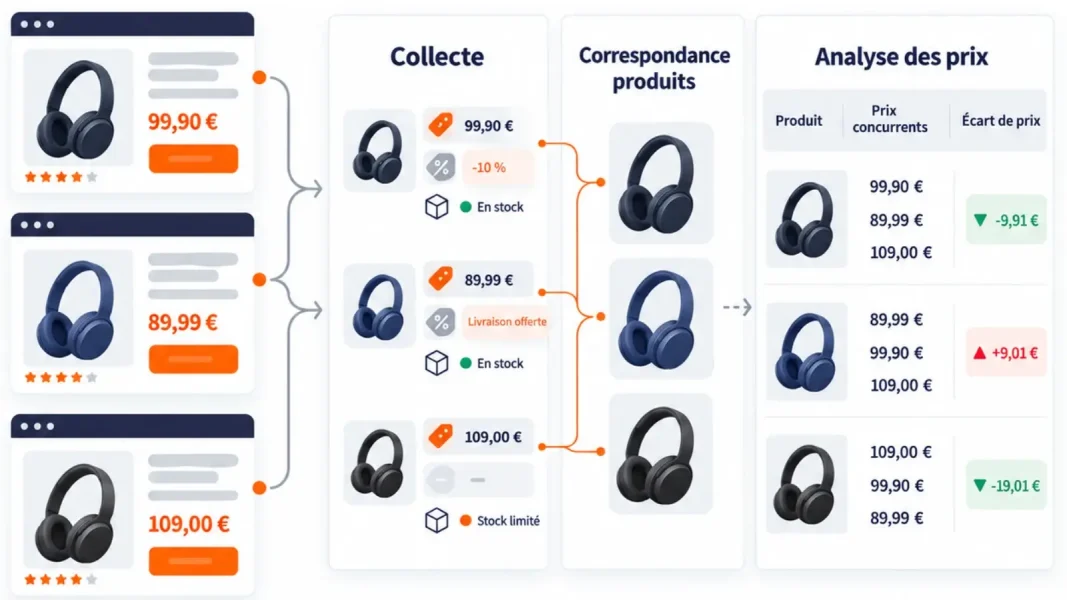
Social data, from social network interactions, online searches and product mentions, is a goldmine for understanding beauty trends.
By analyzing this data, companies can identify which products are in vogue and which will become so. This analysis requires sophisticated tools capable of processing large volumes of data in real time.
By integrating this information into demand forecasts, retailers can better meet consumer expectations and adjust their inventories accordingly.
The Importance of Historical Data
The use of historical data is crucial in the supply chain, particularly for cosmetics brands. These data provide a solid basis for understanding demand patterns, product life cycles and seasonal trends.
By studying past sales, companies can identify recurring patterns, enabling them to anticipate future needs with greater precision. For example, some cosmetics categories, such as suncare, see a significant increase in sales in summer.
Based on historical data, retailers can plan their inventories accordingly, avoiding stock-outs or over-stocking.
In addition, historical data can be used to analyze the performance of individual products. This helps companies determine which products are most popular with consumers, and adjust their marketing and promotional strategies to maximize sales.
For example, if a specific make-up product has performed well in a previous marketing campaign, retailers can plan similar promotions in the future to boost sales.
Finally, historical data can also reveal valuable insights into consumer preferences and emerging trends.
By identifying these trends at an early stage, companies can quickly adapt their product offering to meet growing demand, ensuring their competitiveness in the marketplace.

Predictive Modeling
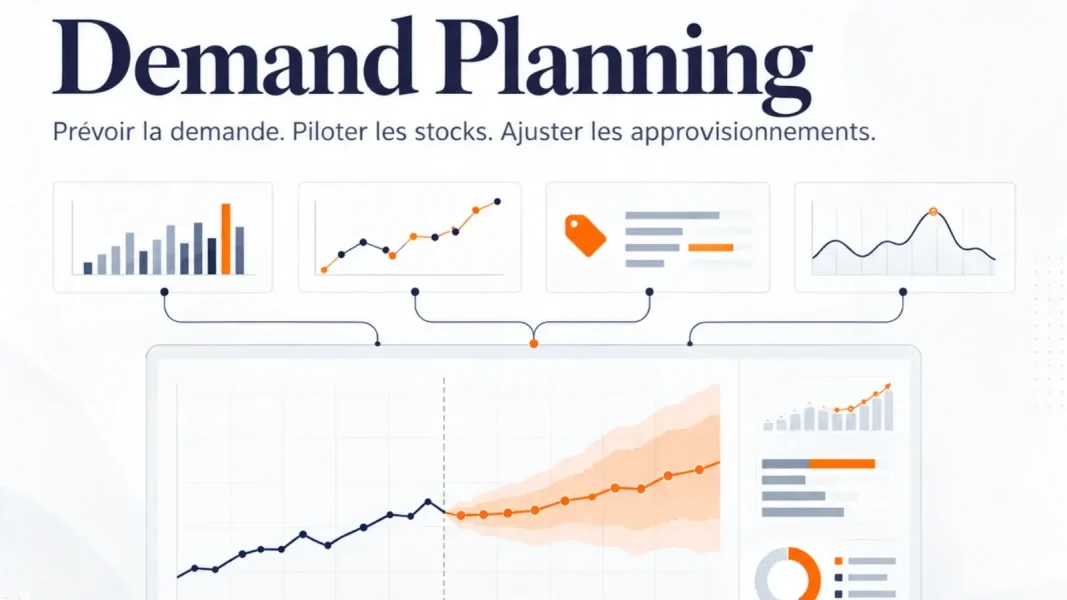
Predictive modeling is an advanced approach that uses Machine Learning algorithms to analyze historical data and forecast future trends.
By integrating various variables such as seasons, weather events, marketing campaigns, and even mentions on social networks, these models offer
demand forecasts
much more accurate and reliable.
Predictive modeling algorithms are capable of processing vast quantities of data and identifying complex patterns that traditional methods could not detect.
For example, an algorithm may reveal that an increase in demand for certain skincare products is strongly correlated with seasonal changes or specific marketing campaigns. By integrating this information, companies can adjust their forecasts dynamically and proactively.
One of the main advantages of predictive modeling is its ability to anticipate fluctuations in demand before they occur. This enables cosmetics retailers to better manage their inventories, optimize their supply chains and minimize the risk of stock-outs or overstocking.
For example, if a model predicts a rise in demand for a particular product before a vacation period, retailers can increase their inventory of that product to meet the increased demand.
The Impact of Product Innovations
Product innovation plays a key role in the cosmetics sector. New ingredients, improved formulations or revolutionary product launches can significantly influence demand.
Retailers need to monitor these innovations and be ready to adjust their demand forecasts accordingly. Working closely with product development and marketing teams enables us to anticipate these changes and react quickly.
Strategies for Anticipating Trends
Continuous Market Monitoring
Continuous market monitoring is essential to anticipate beauty trends. Companies need to keep a close eye on buying behavior, consumer opinions and competitor movements. Using real-time market analysis tools can provide valuable insights and enable rapid adjustments to demand forecasts.
Working with Influencers
Influencers play a major role in promoting cosmetics. Working with them not only increases product visibility, but also provides valuable insights into consumer preferences. Retailers can use these collaborations to refine their demand forecasts and adjust their replenishment strategies.

The Importance of Equipping Yourself with an AI-Based Supply Chain Tool
Precision and Reliability
Supply chain tools incorporating advanced Machine Learning and Artificial Intelligence (AI ) algorithmic engines deliver unprecedented accuracy and reliability. These technologies are capable of analyzing massive volumes of historical and real-time data, detecting patterns and trends often invisible to traditional methods.
By taking into account a multitude of variables such as seasonal trends, local demographics, promotions and customer buying behavior, these tools enable demand forecasts to be refined with great precision.
This means that retailers can optimize their stock levels, avoiding both costly out-of-stocks and unnecessary overstocks. What’s more, this greater precision leads to better resource management, lower warehousing costs and improved customer satisfaction.
This enables companies to respond more effectively to fluctuations in demand, boost their competitiveness in the marketplace and maximize their profitability.
Replenishment automation
Automated replenishment systems, powered by AI, are revolutionizing inventory management by enabling proactive and efficient management.
Based on accurate demand forecasts, these systems automatically adjust replenishment orders, ensuring that essential products are always available in optimal quantities.
This automation considerably reduces the human errors that can occur in the inventory management process, while freeing up employees’ time to concentrate on higher value-added tasks, such as strategic analysis and improving customer service.
What’s more, automated replenishment enables stock levels to be adapted in real time to fluctuations in demand, minimizing the risk of out-of-stocks and overstocks. It also facilitates rapid response to market changes, such as new beauty trends influenced by social networks.

The Importance of Change Management
Implementing a supply chain solution incorporating advanced technologies such as AI and Machine Learning requires effective change management.
This technological transformation can have a significant impact on company processes, roles and responsibilities. It is therefore crucial to manage this change proactively to ensure successful adoption and a smooth transition. Change management begins with transparent communication on the objectives and expected benefits of the new solution.
Employees need to understand how these technologies will improve their day-to-day tasks and contribute to the company’s overall success. Appropriate training is essential to develop the skills needed to use the new tools.
In addition, it’s important to put in place ongoing support and resources to address employees’ questions and concerns throughout the transition. Company leaders also play a key role in setting an example and encouraging a culture of innovation and adaptability.
By involving employees at all levels and addressing their concerns, companies can overcome resistance to change and maximize the benefits of new supply chain technologies. Ultimately, well-managed change management leads to successful adoption of AI-based solutions, boosting operational efficiency and market competitiveness.
For cosmetics companies, anticipating beauty trends and adjusting demand forecasts iscrucial to staying competitive. The use of AI-based supply chain tools improves forecast accuracy and automates replenishment, reducing the risk of out-of-stocks and overstocks.
However, the adoption of these technologies must be accompanied by effective change management to ensure a successful transition. By investing in supply chain optimization solutions, companies can not only improve their operational efficiency, but also offer their customers a better experience.
To take this a step further, retailers can explore the use of AI in other areas, such as personalizing offers, optimizing promotions and managing product returns.