


What Is S&OP (Sales and Operations Planning)?: Definition and Challenges
What is S&OP (Sales and Operations Planning), and why is it strategic for businesses? This process aligns sales, production, and the supply chain to optimize overall performance. Learn about its definition, how it works, and its key challenges.
Price Matching : comment ça marche : Les 4 étapes clés

Price matching allows you to align your prices with those of your competitors. Here are the four essential steps for implementing it effectively.
Demand management: software solutions to structure and anticipate demand?

Demand management software solutions help to structure forecasts, integrate operational constraints and better anticipate consumption variations.
What is a rules engine?

A rules engine automates the application of business rules to make decisions more reliable, save time and ensure operational consistency.
Setting the selling price: the key stages

Setting the right selling price involves structuring your approach, analyzing costs, the market and perceived value, in order to arbitrate between volume and profitability.
Automated price monitoring: how to industrialize market price monitoring to stay competitive

Automation and AI are revolutionizing pricing intelligence, offering a more accurate and reactive view of competitor prices and market dynamics.
Essential steps for efficient supply chain management

Efficient supply chain management is based on structured steps, from demand forecasting to flow and inventory optimization.
Data-driven inventory allocation: tools, AI and innovative technologies

Innovative tools and technologies transform stock allocation into a more precise, dynamic and performance-oriented process.
POR-related replenishment methods

Replenishment methods linked to POR enable orders to be triggered at the right time to ensure product availability.
The different stock allocation methods
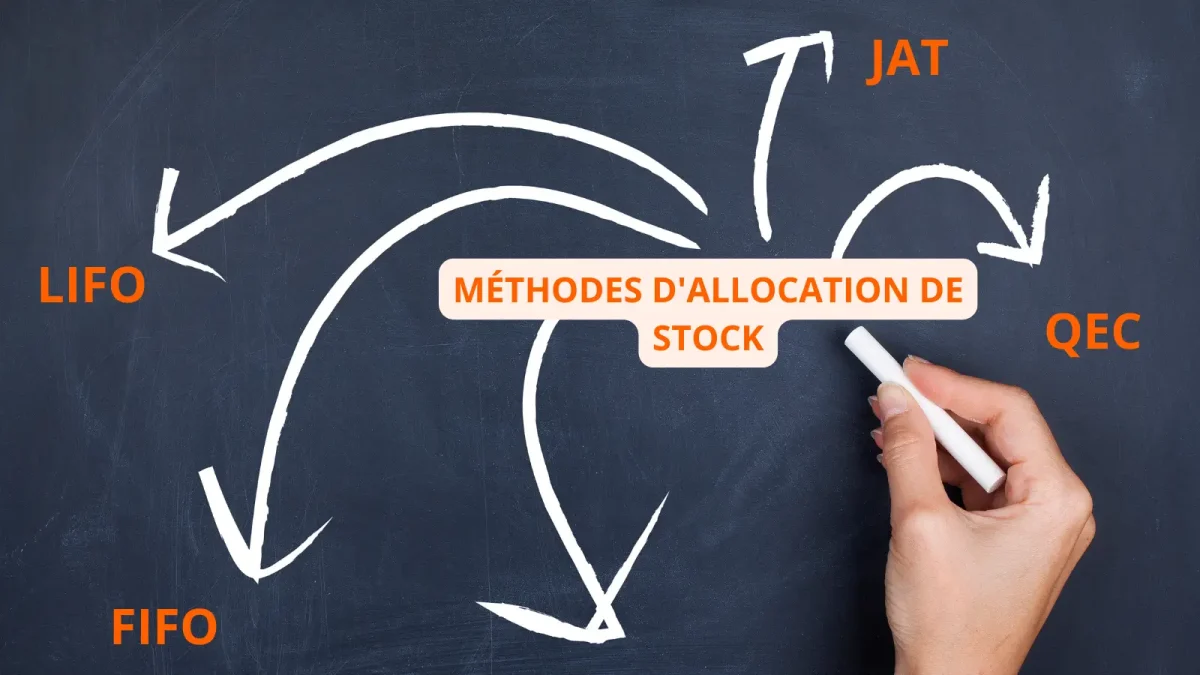
There are several stock allocation methods for distributing available quantities according to demand, commercial priorities and operational constraints.
How can you analyze the differences between your prices and those of your competitors?

Understanding the differences between your prices and those of your competitors enables you to adjust your positioning, protect your margins and strengthen your competitiveness.
Stock allocation: how to optimize product distribution?

Stock allocation involves the intelligent distribution of available quantities between sales outlets or channels, to optimize availability and performance.
Price Matching: What is it?

Price matching has become an essential lever for strengthening price competitiveness. This guide explains how to use it effectively to attract and retain customers.
What is price modeling?

Price modeling helps to understand the effect of price variations on demand, margins and competitiveness, thanks to data.
The 7 key steps in the demand management process

Demand management is based on a 7-step process designed to anticipate needs, reduce uncertainty and better manage planning.
Demand management: definition, challenges and performance levers

Demand management helps companies to better anticipate market needs and secure their planning decisions in the face of uncertainty.
Replenishment or order point (ROP): Everything you need to know about this key indicator

Indispensable for inventory management, the order point enables us to anticipate needs and ensure continuity of supply without overstocking.
Black Friday 2025: How price image and perceived value are reshaping brand strategies

Black Friday 2025 marks a turning point: brands are rethinking their price image and reinforcing perceived value to attract customers without sacrificing profitability. Discover the new winning strategies.
Stock-outs: Causes, consequences and how to avoid them

Out-of-stock situations have a direct impact on sales and brand image. Understanding its causes and remedying it through better planning is essential.
What’s the difference between inventory management and inventory optimization?

Inventory management and optimization are often confused, but they are two different approaches: one to manage day-to-day operations, the other to maximize performance. Find out what sets them apart, and how to move from a simple management approach to one that truly creates value.
The different stages of an effective assortment analysis

A good assortment can’t be improvised: it has to be piloted.
Discover the key stages in a successful assortment analysis to build a coherent, profitable offer aligned with customer needs.
Supply Chain: the complete guide to understanding and optimizing your supply chain
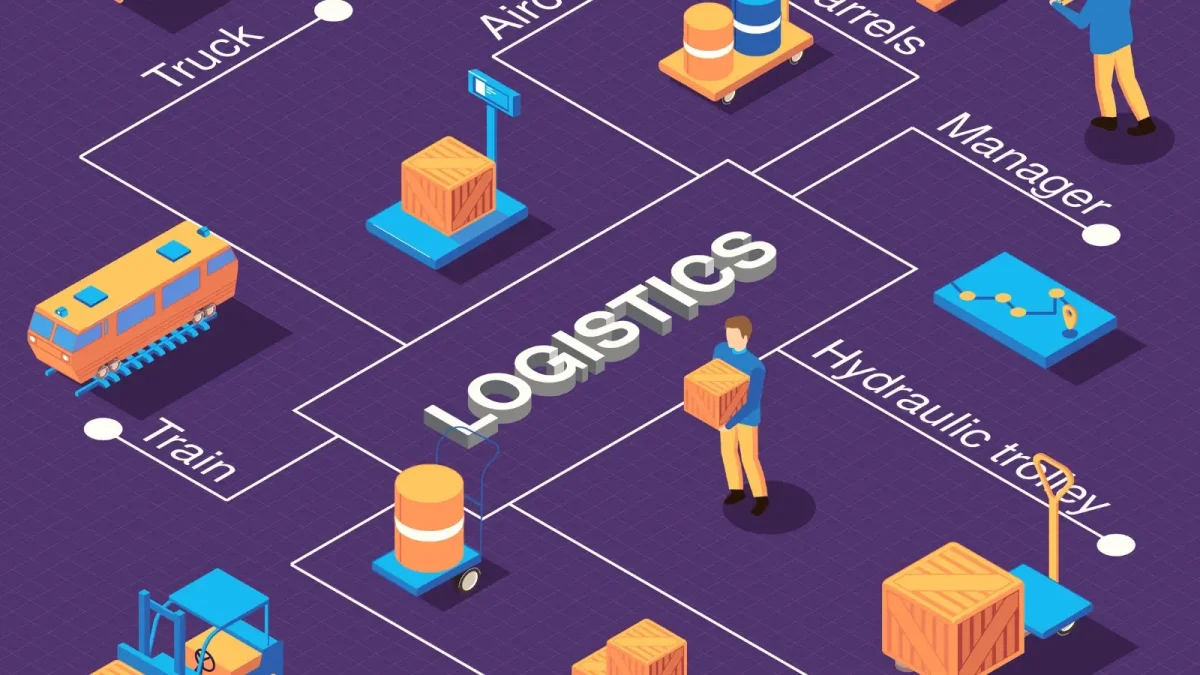
Discover the fundamentals of the supply chain, its challenges and the levers for optimization to improve the performance, resilience and efficiency of your supply chain.
Price Monitoring: A Complete Guide to Tracking Competitors and Adjusting Your Prices

Price monitoring is an essential tool for understanding the market, tracking competitors, and adjusting your prices in real time. This comprehensive guide helps you implement an effective strategy to stay competitive, protect your margins, and anticipate industry developments.
The Difference Between Product Range and Assortment

What’s the difference between assortment and range? Range and assortment: two complementary but often confused levers. One defines strategy, the other execution on the ground. Distinguishing between the two means refining positioning, optimizing inventory and boosting performance.
Organic retailers: how to set prices that are consistent with the competition?

Discover our tips and solutions for calculating your organic retailer’s prices by comparing yourself with the competition on variation criteria.