


The Best Pricing Management Software: How to Choose the Right Solution?

Choosing pricing management software requires clearly defining your needs: competitive intelligence, automation of pricing rules, simulation, or margin tracking. Here are the features and criteria to consider when selecting a solution that aligns with your pricing strategy and your teams’ workflows.
Price Volatility: Why Does Monitoring Need to Be More Detailed?
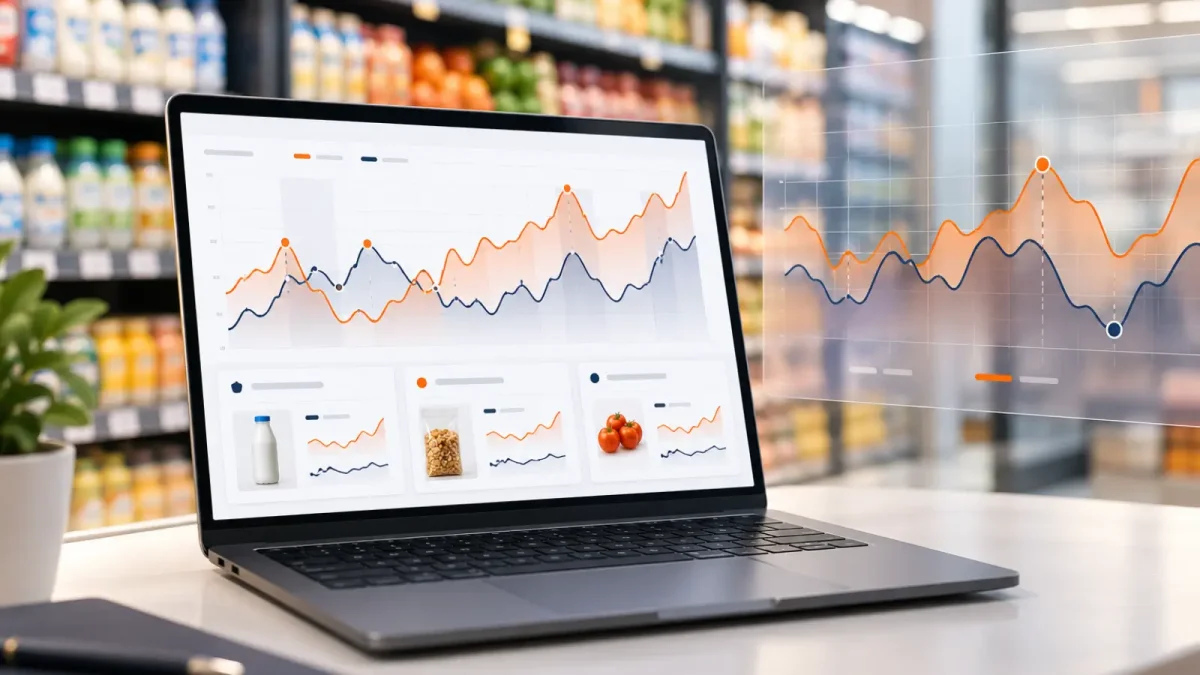
Given the volatility of prices, a broad overview is no longer enough. Discover how a more granular pricing analysis can help you identify fluctuations, anticipate competitive gaps, and adjust your pricing strategy.
Price, Margin, Competition: What Pricing Trade-offs Should Be Made When Costs Start to Rise Again?

When costs rise, retailers must strike the right balance between profitability and competitiveness. Learn how to balance price, margins, and competitive positioning to adapt your pricing strategy.
Why is Demand Planning Essential in Supply Chain Management?

Anticipating demand rather than reacting to it: that is the whole point of demand planning. By improving the accuracy of their forecasts, companies can better manage their inventory, minimize stockouts and overstocking, and respond more quickly to market fluctuations. Discover why Demand Planning has become a key driver for managing a more agile and efficient supply chain.
What is price scraping?
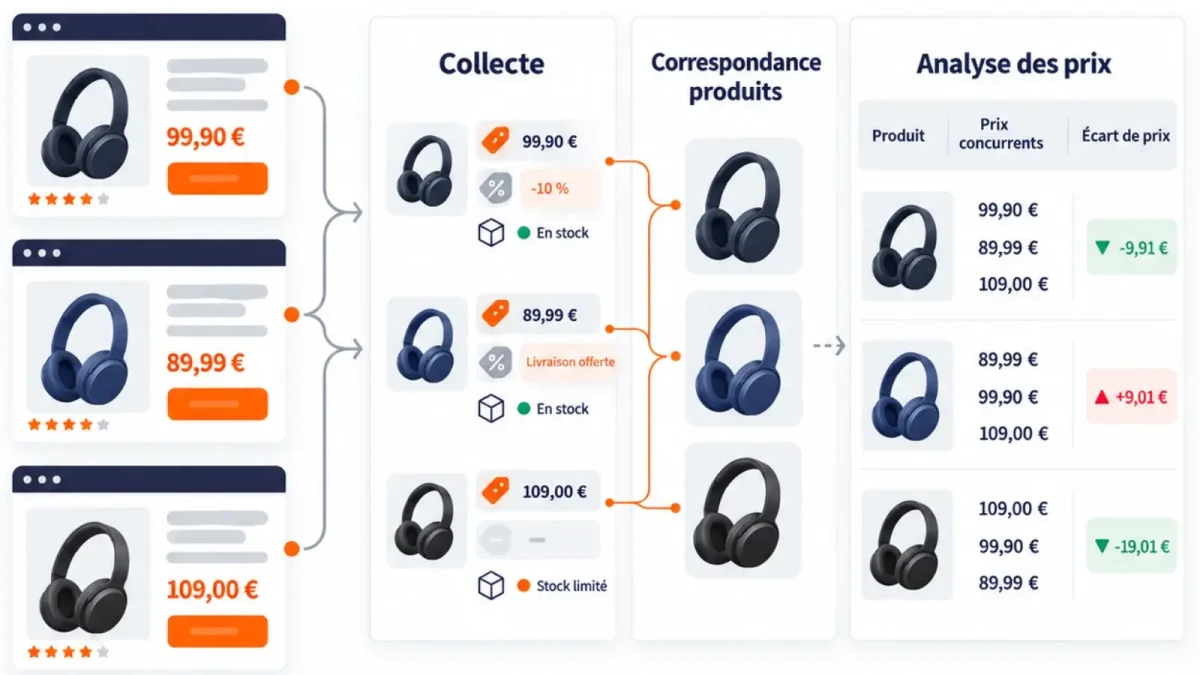
Price scraping automates the collection of prices and pricing information online. Learn how it works and how to use this data to analyze the competition and refine your pricing strategy.
The difference between APS and ERP software

ERP and APS serve different purposes: one centralizes and executes operations, while the other anticipates and optimizes planning. Learn about their differences and how they complement each other.
Demand Planning: How Can We Measure and Improve Forecast Accuracy?
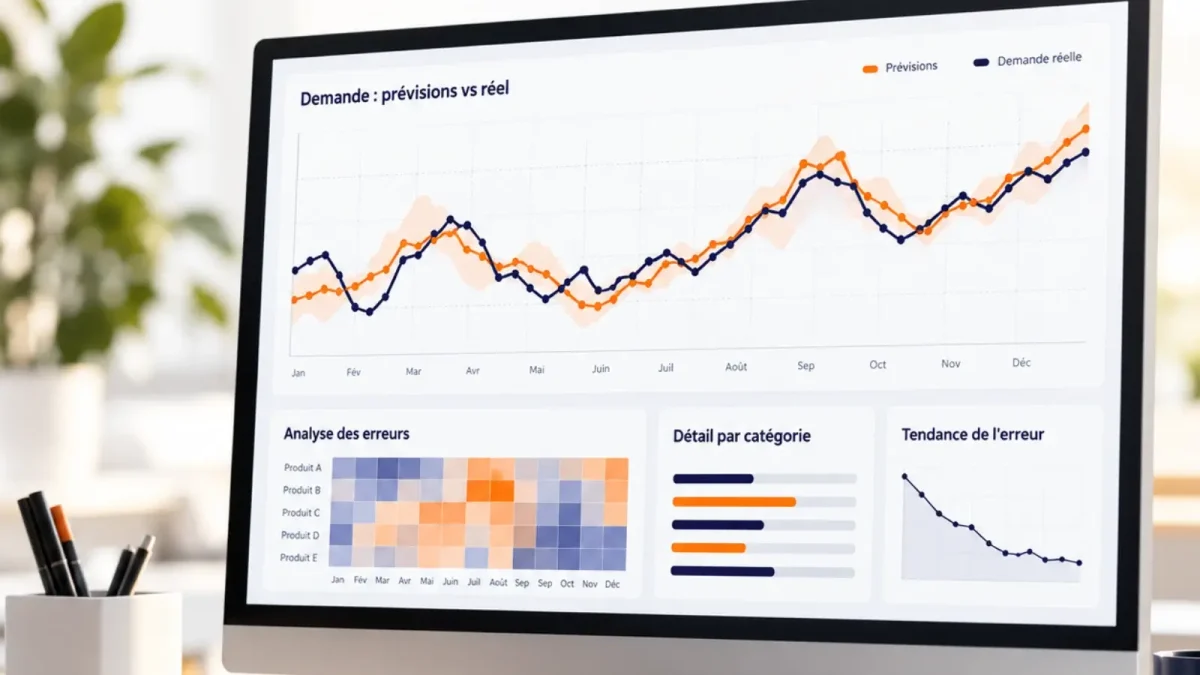
MAE, MAPE, bias, or RMSE: Learn how to measure the accuracy of your forecasts, identify sources of error, and improve your demand planning.
Sales History: Definition, Analysis, and Role in Demand Forecasting

Sales history is a key data point for forecasting demand. Learn how to analyze it, ensure its reliability, and use it to improve the quality of your forecasts.
Short-line or long-line: What are the differences, and which strategy should you choose?

A narrow product line simplifies management, while a broad product line meets a wider range of needs. Compare their impacts on sales, inventory, and profitability to choose the right strategy.
How should you structure a product line to increase profitability?
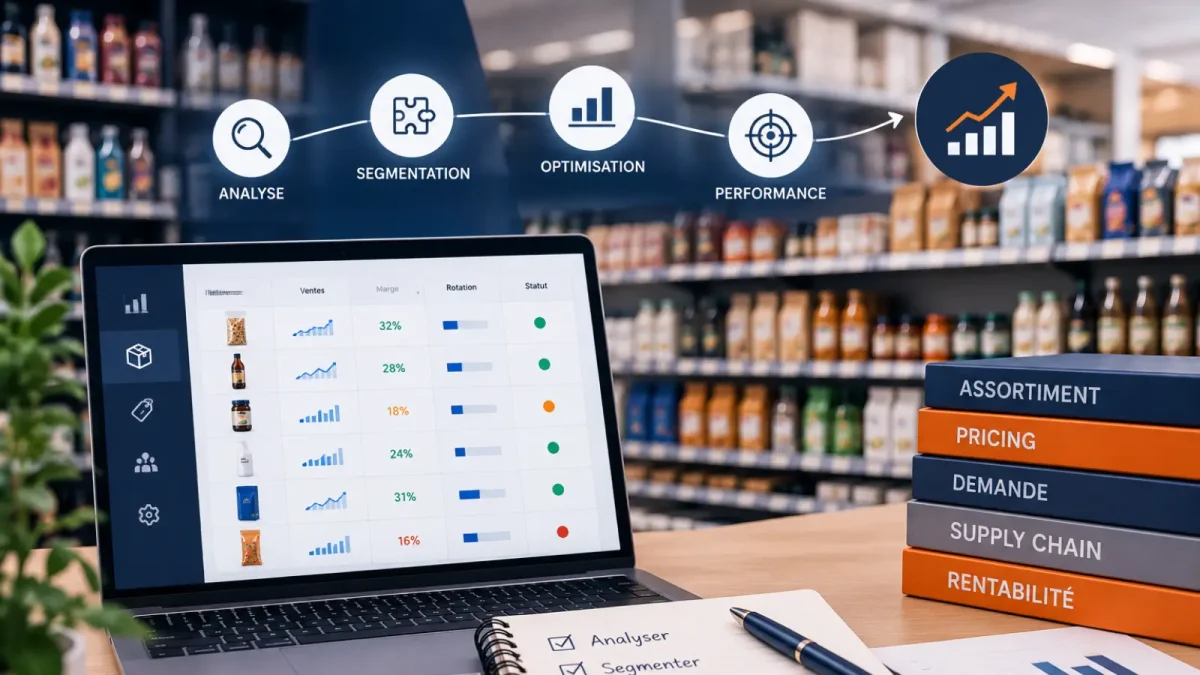
A high-performing product line does not depend on the number of items, but on how well they complement each other and the value they add. Learn how to structure your product offering to increase profitability.
What data is actually collected through price web scraping?
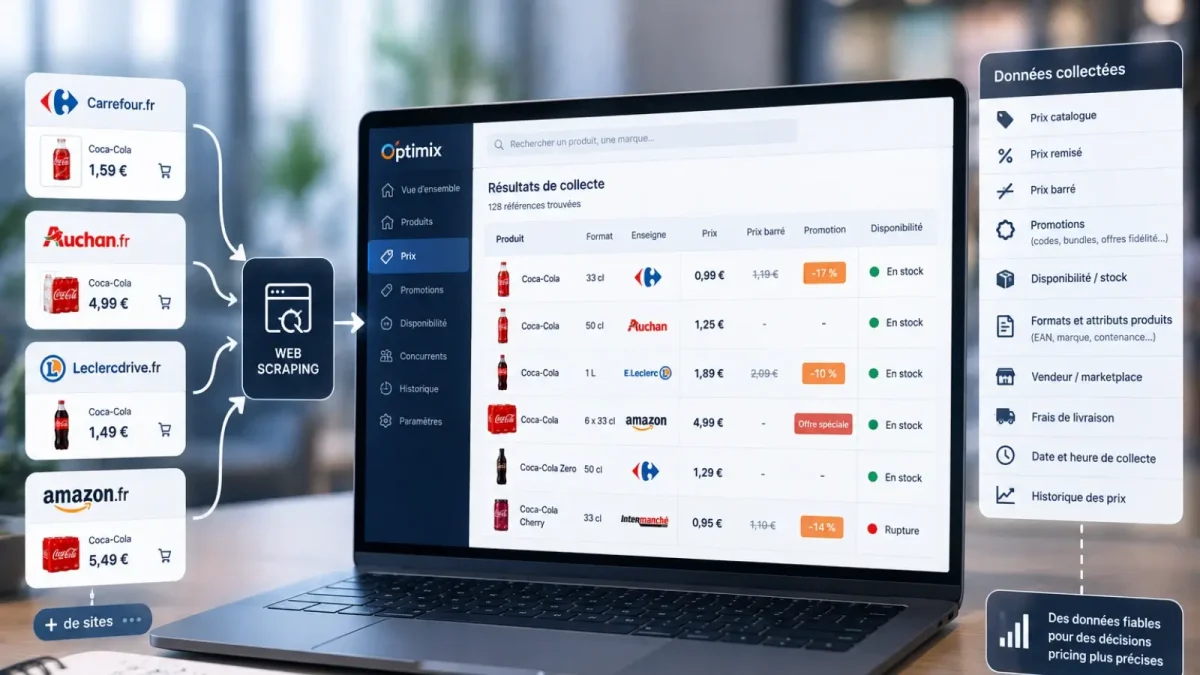
Prices, promotions, availability, sellers, product attributes: Discover the data actually collected through web scraping and how it can benefit your pricing strategy.
What tool should you use to analyze the consistency of your product line?
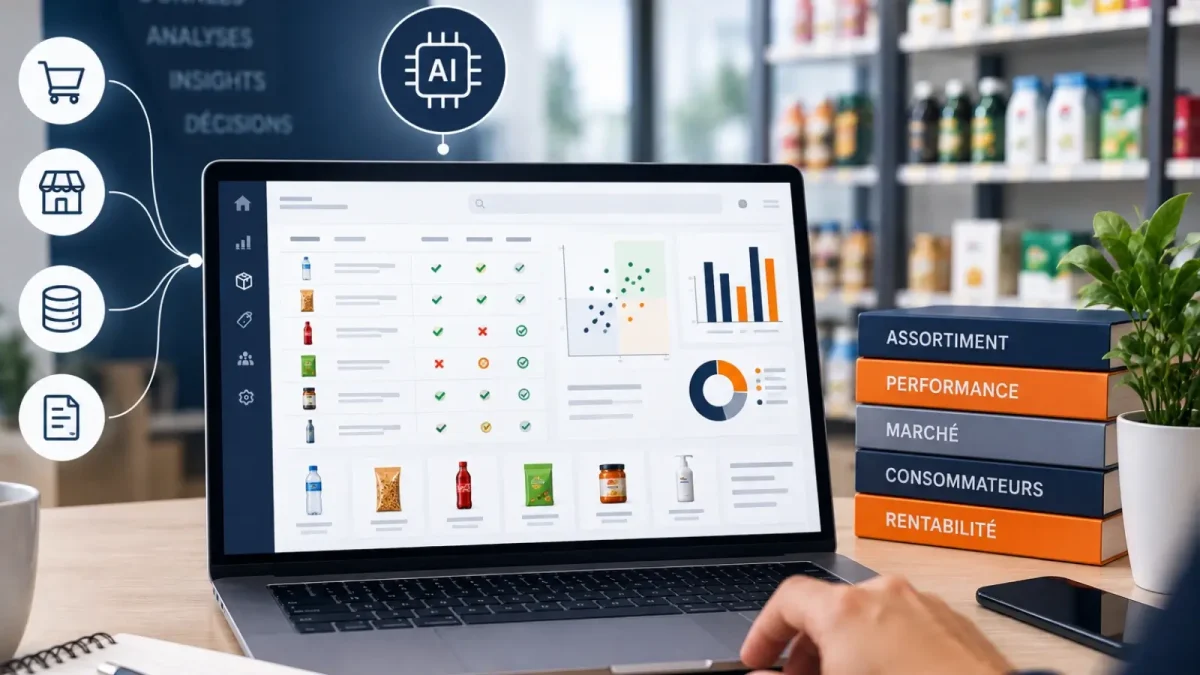
Excel, BI, or a specialized solution: Which tool should you choose to analyze your product line? Compare the different approaches to identify gaps, redundancies, and opportunities for optimization.
Product Line: How to Define, Analyze, and Optimize It?
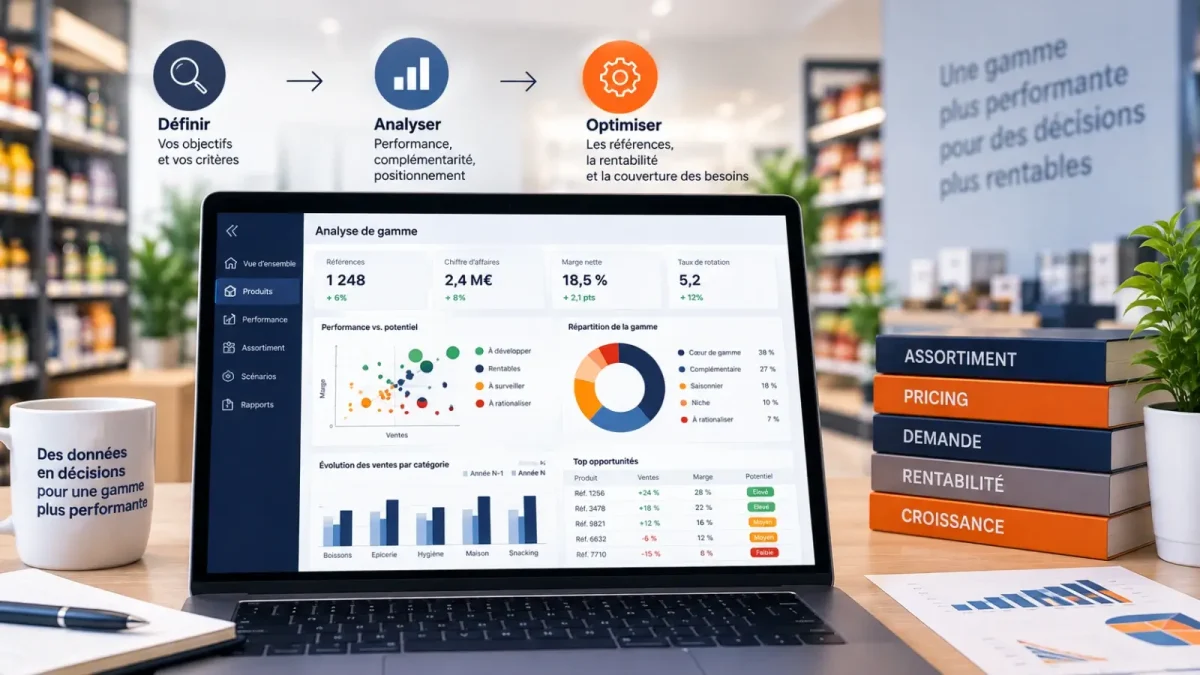
Structure, segmentation, consistency, profitability, and lifecycle: Learn how to analyze your product line and identify ways to optimize it.
Back-to-School 2026: How Can We Better Manage Inventory in an Omnichannel Environment?

Inventory, pricing, availability, and the customer journey: Learn how to better coordinate your channels as the 2026 school year begins to turn omnichannel into a driver of performance.
Inventory Management: How Can You Avoid Both Stockouts and Excess Inventory as the School Year Begins?

At the start of the school year, fluctuations in demand make inventory management more challenging. Learn how to anticipate demand to avoid stockouts and excess inventory.
Pricing and Promotions: How to Win the Back-to-School Battle Without Sacrificing Your Margins?

The start of the school year is putting more pressure on prices and promotions. Learn how to develop a competitive pricing strategy without sacrificing your margins.
The Three Mistakes That Reveal the Maturity of Your Pricing Strategy

Sales put your pricing strategy to the test. Discover three mistakes that reveal how mature your pricing approach is—and the steps you can take to correct them.
Consumers See Everything: Why Price Transparency Is Transforming Retailers’ Pricing Strategies

Price comparison sites, e-commerce, and AI: Consumers have easy access to prices. Find out why price transparency is redefining retailers’ pricing strategies.
How can you optimize your supply chain?

An efficient supply chain improves product availability, reduces costs, and boosts customer satisfaction. Discover the keys to optimizing it for the long term.
Pricing Strategy: How Can You Adjust Your Prices to Market Changes While Maintaining Your Margins?

Inflation, competition, and shifts in demand: Learn how to adjust your prices to market changes without compromising your profitability or competitiveness.
Supply Chain Planning: The Complete Guide to Optimizing Your Supply Chain
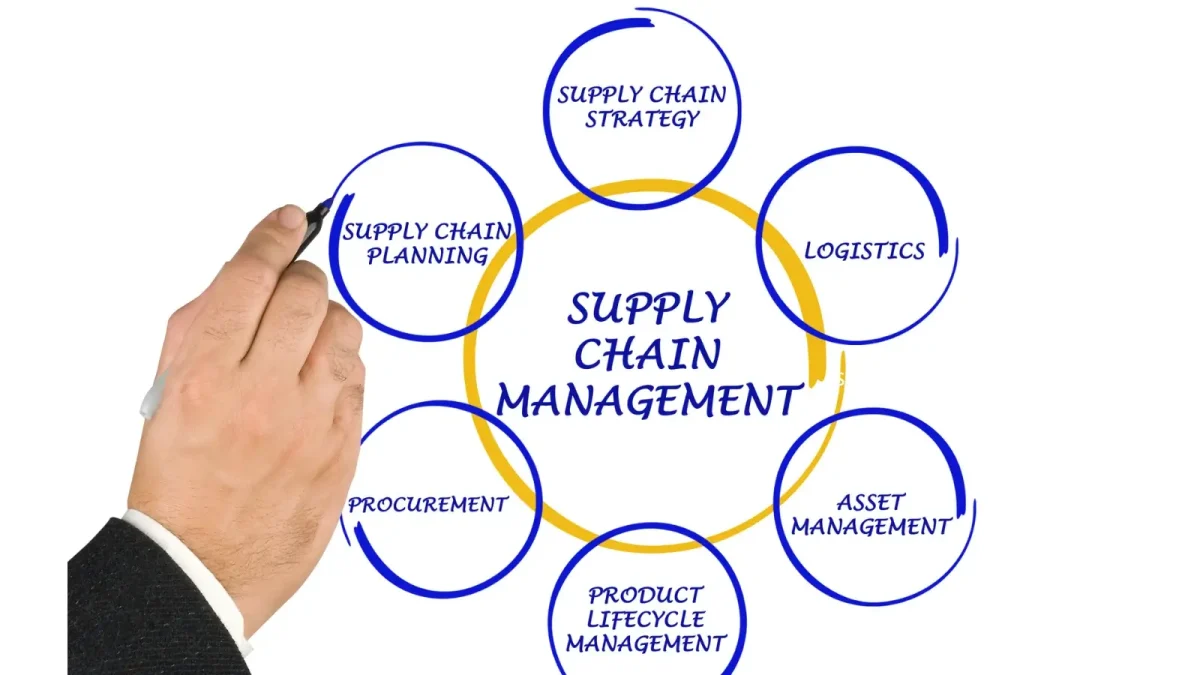
Supply chain planning is essential for forecasting demand, optimizing inventory, and streamlining operations. Discover the methods and best practices for improving your supply chain’s performance.
Why Are Consumers Price-Sensitive? : Key Factors Every Retailer Needs to Understand

Price sensitivity varies by product, market, and consumer. Understand the factors that influence purchasing decisions and their impact on your pricing strategy.
5 Strategies to Maximize Your Sales Performance During the Sales Season

Pricing, inventory, promotions, product availability, and demand forecasting: Discover the 5 essential strategies for a successful 2026 summer sale and boosting your sales performance.
2026 summer sales: why is stock desynchronization more expensive than it seems?

During the sales season, out-of-synch inventory can lead to stock-outs, overstocking and lost margins. Find out how to anticipate these risks and optimize your sales performance.
Competitive mapping: why a market scan is essential for pricing?
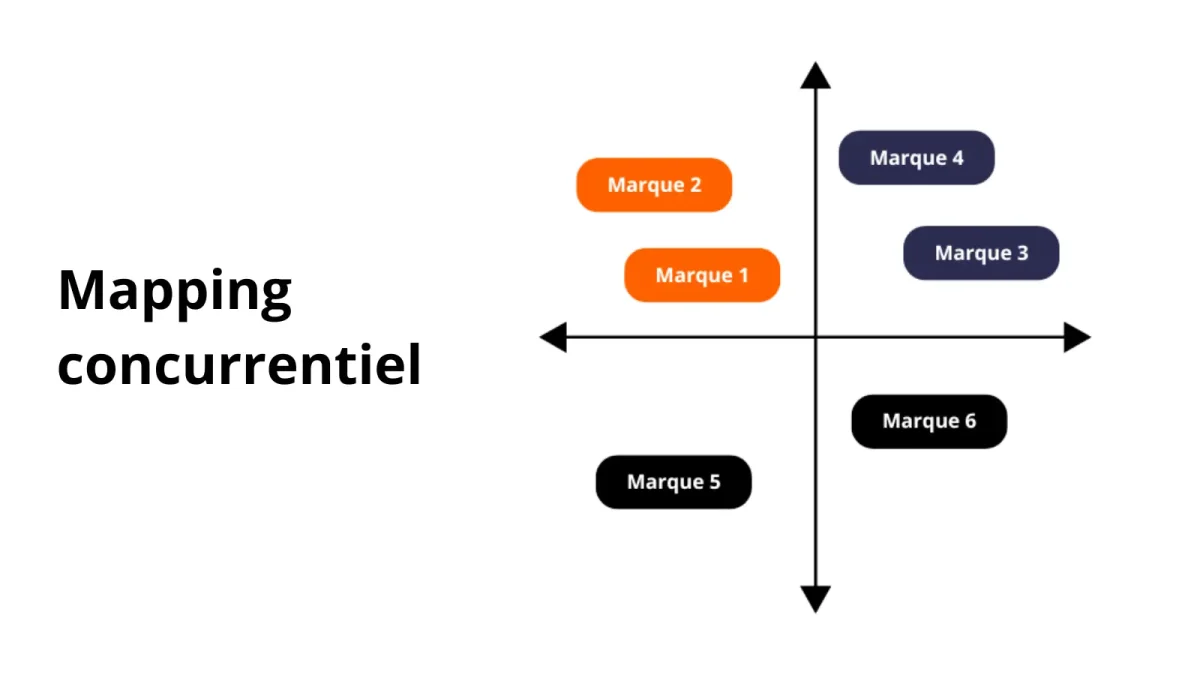
Competitive mapping enables you to visualize the positioning of market players and adjust your pricing strategy to remain competitive.