


Quantitative and qualitative offer analysis: what are the differences and why combine them?
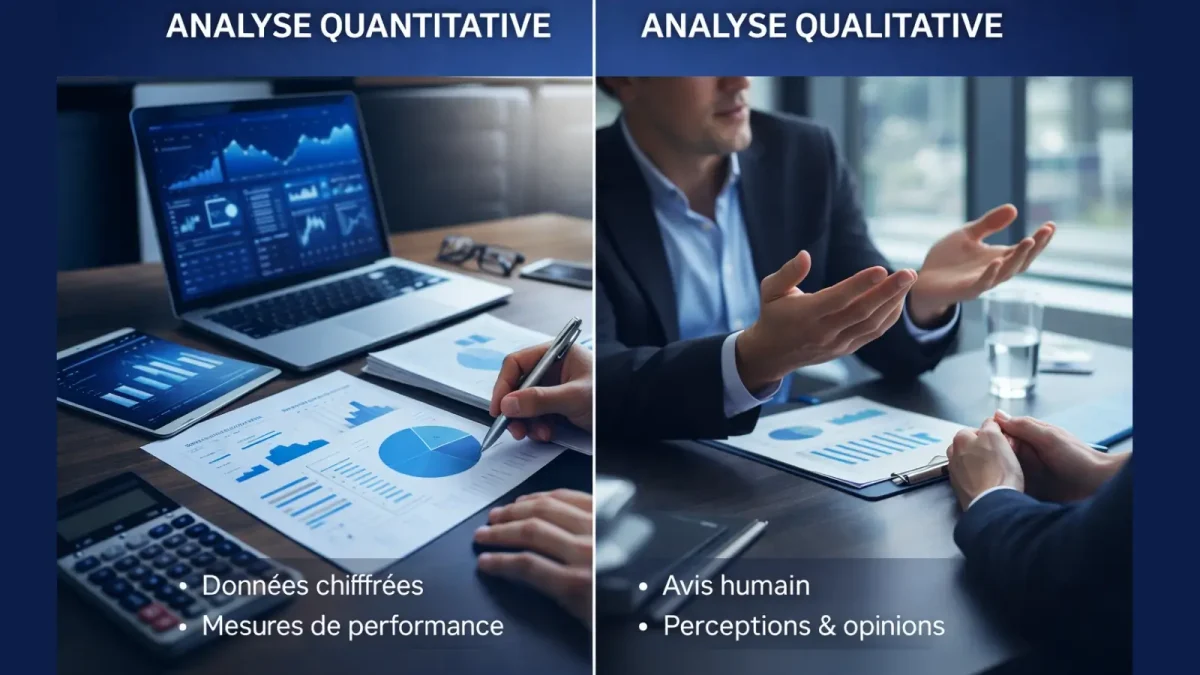
Quantitative or qualitative offer analysis: what are their specific features and how can they be used effectively? These two approaches are complementary when it comes to understanding your market, fine-tuning your positioning and making informed strategic decisions. Discover their differences and why combining them can boost your performance.
What is product availability? And why is it important?

What is product availability and why is it strategic? An unavailable product can have a direct impact on sales, brand image and customer loyalty. Find out what it is, what’s at stake and how to optimize sales performance and avoid stock-outs.
Key steps in the S&OP process
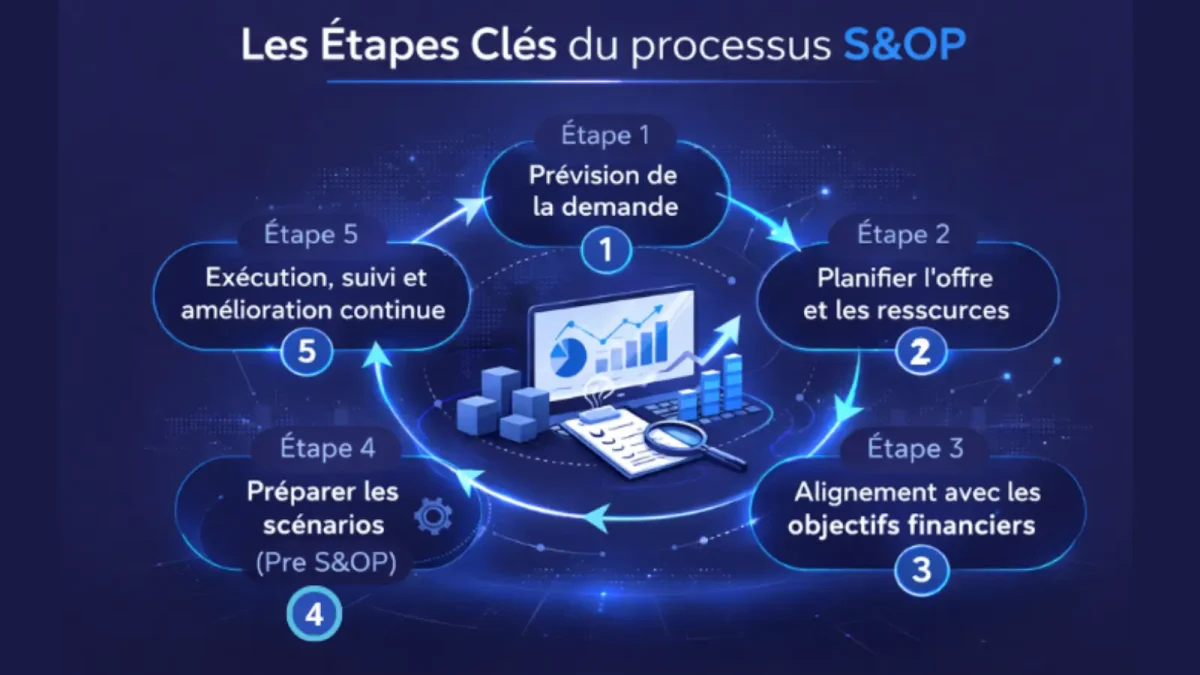
The S&OP process relies on several essential steps to ensure alignment between sales forecasts, production and the supply chain. From data collection to strategic validation, discover the key stages of S&OP and the best practices for structuring an efficient and effective process.
What Is S&OP (Sales and Operations Planning)?: Definition and Challenges
What is S&OP (Sales and Operations Planning), and why is it strategic for businesses? This process aligns sales, production, and the supply chain to optimize overall performance. Learn about its definition, how it works, and its key challenges.
Demand management: software solutions to structure and anticipate demand?

Demand management software solutions help to structure forecasts, integrate operational constraints and better anticipate consumption variations.
What is a rules engine?

A rules engine automates the application of business rules to make decisions more reliable, save time and ensure operational consistency.
Essential steps for efficient supply chain management

Efficient supply chain management is based on structured steps, from demand forecasting to flow and inventory optimization.
Data-driven inventory allocation: tools, AI and innovative technologies

Innovative tools and technologies transform stock allocation into a more precise, dynamic and performance-oriented process.
POR-related replenishment methods

Replenishment methods linked to POR enable orders to be triggered at the right time to ensure product availability.
The different stock allocation methods
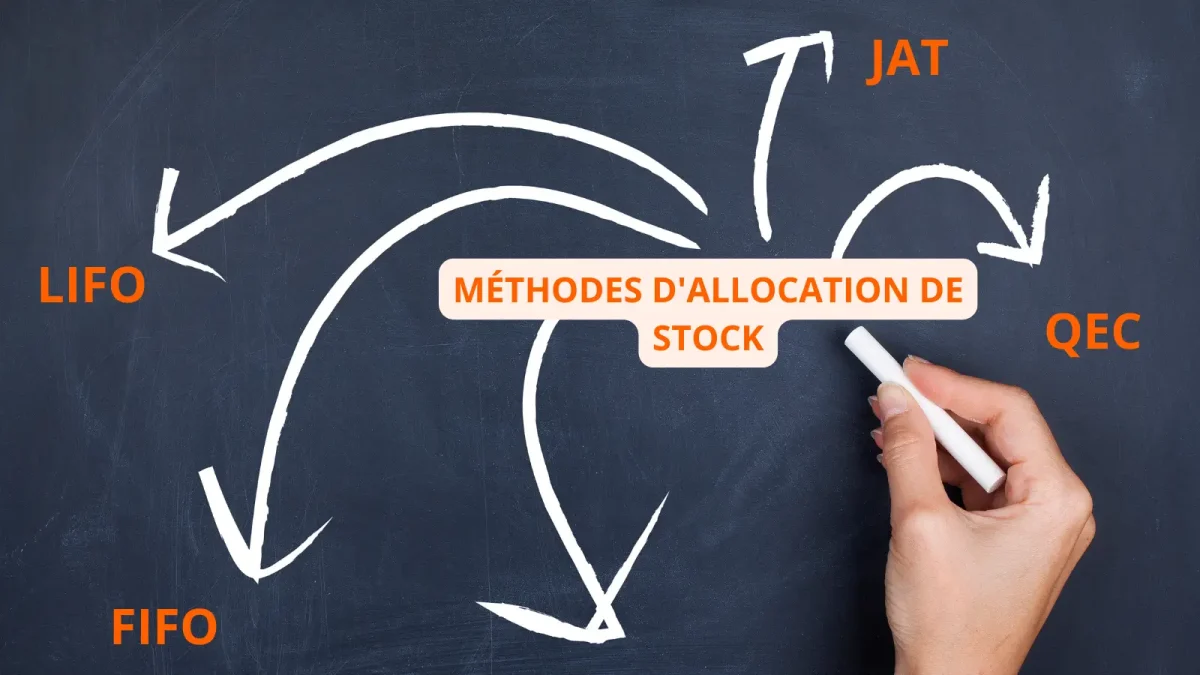
There are several stock allocation methods for distributing available quantities according to demand, commercial priorities and operational constraints.
Stock allocation: how to optimize product distribution?

Stock allocation involves the intelligent distribution of available quantities between sales outlets or channels, to optimize availability and performance.
The 7 key steps in the demand management process

Demand management is based on a 7-step process designed to anticipate needs, reduce uncertainty and better manage planning.
Demand management: definition, challenges and performance levers

Demand management helps companies to better anticipate market needs and secure their planning decisions in the face of uncertainty.
Replenishment or order point (ROP): Everything you need to know about this key indicator

Indispensable for inventory management, the order point enables us to anticipate needs and ensure continuity of supply without overstocking.
Stock-outs: Causes, consequences and how to avoid them

Out-of-stock situations have a direct impact on sales and brand image. Understanding its causes and remedying it through better planning is essential.
What’s the difference between inventory management and inventory optimization?

Inventory management and optimization are often confused, but they are two different approaches: one to manage day-to-day operations, the other to maximize performance. Find out what sets them apart, and how to move from a simple management approach to one that truly creates value.
The different stages of an effective assortment analysis

A good assortment can’t be improvised: it has to be piloted.
Discover the key stages in a successful assortment analysis to build a coherent, profitable offer aligned with customer needs.
Supply Chain: the complete guide to understanding and optimizing your supply chain
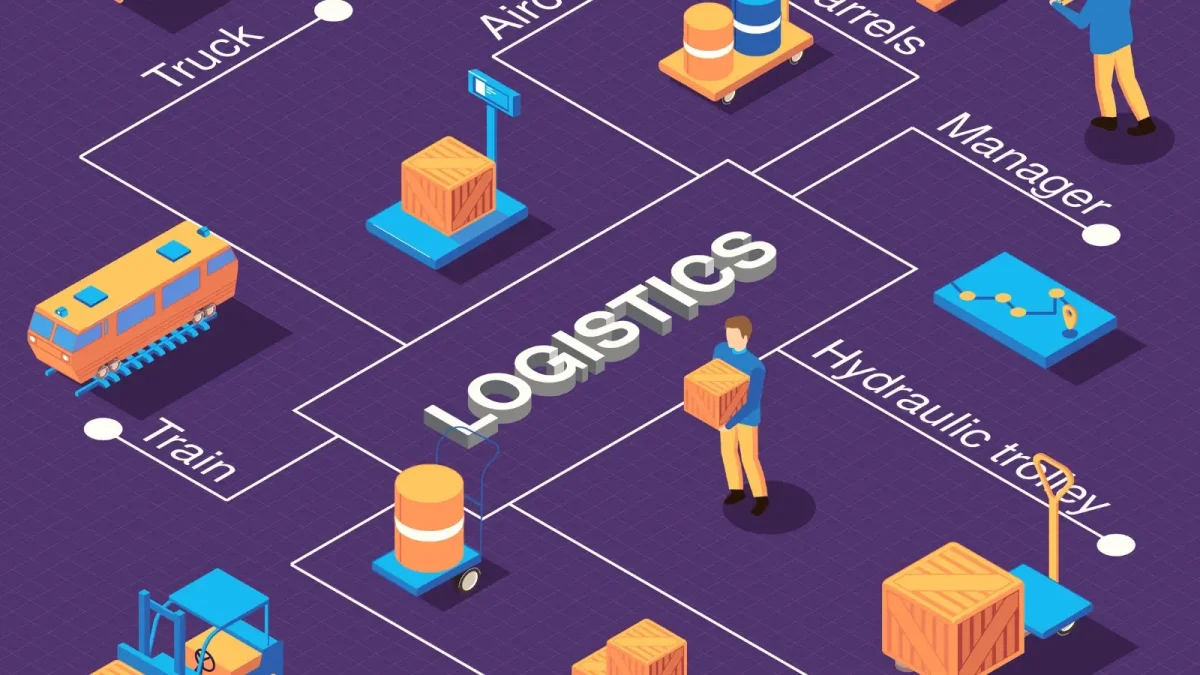
Discover the fundamentals of the supply chain, its challenges and the levers for optimization to improve the performance, resilience and efficiency of your supply chain.
The Difference Between Product Range and Assortment

What’s the difference between assortment and range? Range and assortment: two complementary but often confused levers. One defines strategy, the other execution on the ground. Distinguishing between the two means refining positioning, optimizing inventory and boosting performance.
The different types of assortment: an overview of retail approaches

Learn how to identify and manage different types of assortment to improve your offer, satisfy your customers and maximize your sales.
Assortment analysis: Definition, methods and strategies for optimizing the product offering

How can we offer the right product, at the right time, to the right customer? Assortment analysis answers this crucial question. It helps you understand what works, what holds back sales, and what needs to be adjusted. This guide reveals the keys to transforming your assortment into a performance driver.
The best inventory management software

Discover the best inventory management software to secure your flows, reduce stock-outs, optimize your inventory levels and improve the overall performance of your supply chain.
How to optimize in-store inventory: our tips for efficient management

Discover our practical tips for optimizing your in-store inventories: improve product availability, reduce costs and gain efficiency in your day-to-day management.
How does the supply chain process work?

Discover how the procurement process directly impacts overall company performance. From identifying needs to receiving deliveries, each stage is analyzed in depth, with practical advice, common mistakes to avoid and concrete optimization levers. A must-read to transform your supply chain into a real competitive advantage.
Demand forecasting methods: the keys to an agile, high-performance supply chain

Anticipating demand is never easy, but the right forecasting methods can make all the difference. They help you to better manage stocks, avoid shortages and make your supply chain more agile and efficient on a day-to-day basis.